- +1 (302) 400-7336
- sales@delawaremarinemechanics.com
- 4 Merit Dr, New Castle, DE 19720

- +1 (302) 400-7336
- sales@delawaremarinemechanics.com
- 4 Merit Dr, New Castle, DE 19720
At Delaware Marine Mechanics, we understand that every boat and boater has different needs. Whether you’re replacing an existing engine, upgrading your boat, purchasing a new vessel, or looking for a motor for fishing, recreation, transportation, or commercial use, selecting the right outboard starts with understanding your boat and how you plan to use it.
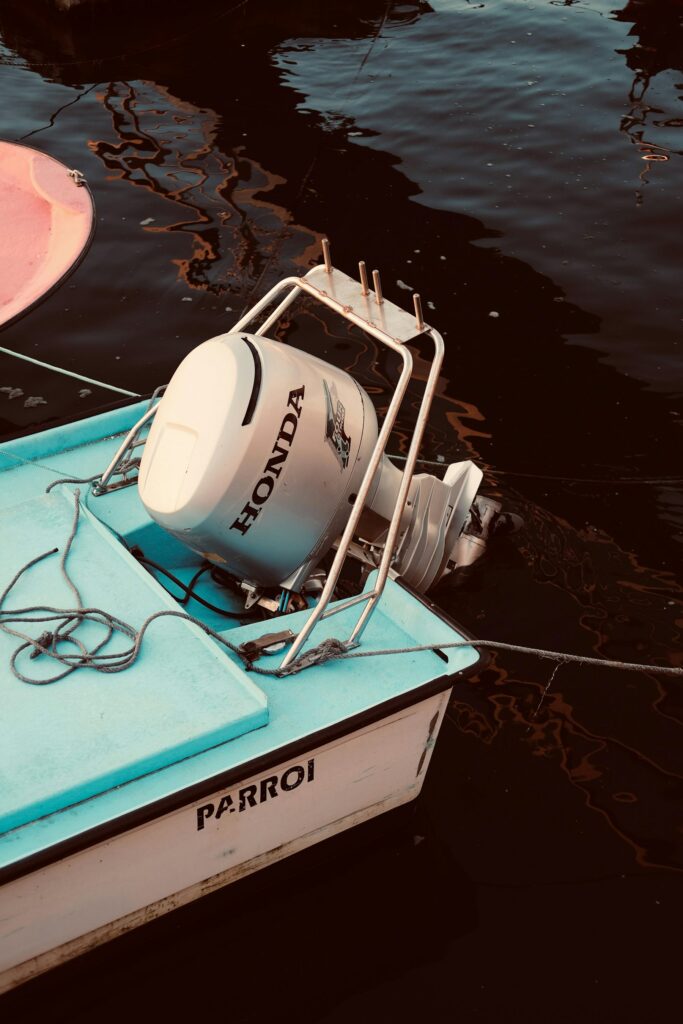
Choosing the right outboard motor is an important decision. The engine you select affects your boat’s performance, fuel efficiency, handling, reliability, and overall boating experience.
This guide will help you understand the most important factors to consider before purchasing an outboard motor.
The first step in choosing an outboard motor is understanding your boat’s specifications.
Consider:
Your boat manufacturer will typically provide a recommended horsepower range and maximum horsepower rating. Always follow the manufacturer’s specifications when selecting an outboard motor.
Installing an engine that is too powerful for your boat can create safety and handling concerns, while choosing an engine that is too small may result in poor performance and reduced efficiency.
Before purchasing an outboard, check your boat’s capacity plate, owner’s manual, or manufacturer’s specifications to confirm the appropriate engine size.
Horsepower is one of the most important factors when selecting an outboard motor.
The right horsepower depends on your boat’s size, weight, hull design, intended use, and manufacturer’s recommendations.
Smaller outboards are ideal for:
They are generally lightweight, easy to transport, and convenient for smaller vessels.
Mid-range engines are suitable for a wide variety of recreational and fishing boats. They offer a balance between power, performance, and efficiency.
They may be suitable for:
High-powered outboards are designed for larger vessels and applications that require greater performance.
They may be suitable for:
Never choose horsepower based solely on the size of the engine. Always consider the boat manufacturer’s maximum horsepower rating and the complete operating requirements of your vessel.
Choosing the correct shaft length is essential for proper outboard installation and performance.
The most common shaft lengths include:
The correct shaft length depends primarily on your boat’s transom height.
If the shaft is too short, the propeller may not sit deep enough in the water, potentially affecting performance and handling.
If the shaft is too long, the motor may sit deeper than necessary, which can affect efficiency and performance.
Measure your boat’s transom and compare the measurement with the outboard manufacturer’s shaft-length recommendations.
If you’re unsure, provide your boat’s make and model when contacting us. Our team can help you identify the specifications you should consider.
Another important decision is whether to purchase a new or used outboard motor.
A new outboard can provide:
New motors are an excellent choice for customers who want the latest available technology and long-term ownership benefits.
A used outboard may be a practical option for customers looking for value or replacing an existing motor.
When considering a used engine, pay attention to:
A properly inspected and maintained used outboard can be a valuable option, but buyers should understand the motor’s history and condition before purchasing.
Outboard technology has evolved significantly over the years, and customers may encounter both two-stroke and four-stroke engines.
Two-stroke engines have historically been popular because of their simple design, lightweight construction, and strong power-to-weight ratio.
Depending on the engine and application, they may offer:
However, older two-stroke engines may produce more emissions and consume more fuel than modern four-stroke models.
Four-stroke outboards are widely used for modern recreational and commercial boating.
Benefits can include:
The right choice depends on your boat, budget, intended use, and the specific motor available.
Think about how you will use your boat most often.
If you primarily fish, you may want an outboard that offers:
For family outings and recreational boating, consider:
Offshore boaters may prioritize:
Commercial operators may require:
Your intended use should play a major role in determining the engine specifications that are right for you.
Brand reputation can be an important consideration when purchasing an outboard motor.
At Delaware Marine Mechanics, we offer access to outboard motors from established marine manufacturers.
Our available brands may include:
Known for dependable engineering, smooth operation, and efficient four-stroke marine power.
A popular choice for lightweight, practical, and reliable marine propulsion across a range of applications.
Recognized for marine performance, engineering, technology, and a broad range of outboard solutions.
Known for efficient performance, innovative technology, and dependable marine engines.
Availability can vary depending on inventory and current offerings.
Explore Our Brands
Fuel consumption can have a significant impact on your overall boating costs, especially if you spend long periods on the water.
When comparing engines, consider:
A larger engine does not automatically mean better performance. Choosing an appropriately sized motor and operating it efficiently can help improve fuel economy.
The weight of your outboard can affect your boat’s balance and performance.
This is especially important for smaller boats.
Before choosing an engine, make sure:
Always consider the complete weight of the engine and related equipment.
Depending on your boat and motor, you may need to consider the type of control system and rigging required.
Options may include:
You should also consider compatibility with:
If you’re replacing an existing outboard, understanding your current rigging setup can help determine what additional equipment may be required.
The purchase price is only one part of the total cost of owning an outboard motor.
Depending on your purchase, you may also need to consider:
When comparing motors, consider the total cost of ownership rather than focusing only on the initial purchase price.
A reliable, fuel-efficient motor may provide better long-term value depending on how frequently you use your boat.
If you need an outboard for a specific project or boating season, it’s important to confirm availability before making your decision.
When requesting a quote, provide as much information as possible, including:
This information helps us better understand your requirements and provide relevant options.
Before purchasing an outboard motor, consider asking:
Confirm that the horsepower, weight, and shaft length are appropriate for your vessel.
Make sure you understand the condition and history of the motor.
Ask about applicable manufacturer or seller warranty coverage.
Confirm whether the purchase includes the necessary controls, rigging, propeller, or other components.
Understand the available shipping and delivery arrangements before completing your purchase.
Ask about recommended maintenance schedules and service requirements.
Before placing your order, use this checklist:
☐ Know your boat’s make and model
☐ Confirm the manufacturer’s recommended horsepower
☐ Check the maximum horsepower rating
☐ Measure your transom height
☐ Determine the correct shaft length
☐ Consider the engine’s weight
☐ Decide between new and used
☐ Consider your primary boating activity
☐ Compare available brands
☐ Review fuel efficiency
☐ Check compatibility with your boat’s controls and rigging
☐ Consider installation requirements
☐ Review warranty information
☐ Confirm availability
☐ Review shipping and delivery options
☐ Request a quote
Finding the right outboard motor doesn’t have to be complicated.
At Delaware Marine Mechanics, we’re here to help you explore your options and identify an outboard that matches your boat, your intended use, and your performance requirements.
Whether you already know the exact motor you want or you’re still comparing your options, we’re ready to help.
SHOP AVAILABLE MOTORS
Explore our current selection of outboard motors and find the right power for your boat.
SHOP BY BRAND
Browse available motors from leading marine manufacturers.
REQUEST A QUOTE
Tell us what you’re looking for and let our team help you with availability and pricing.
The correct size depends on your boat’s manufacturer specifications, weight, hull design, and intended use. Always follow the boat manufacturer’s recommended horsepower range and maximum rating.
Shaft length is primarily determined by your boat’s transom height. Measure your transom and compare the measurement with the manufacturer’s recommendations for the motor you’re considering.
Both options have advantages. New motors offer the latest technology and may include manufacturer warranty coverage, while used motors can offer value when properly inspected and maintained.
There is no single best brand for every boat. The right choice depends on your boat, intended use, desired performance, budget, and availability.
Yes. If you’re looking for a specific brand, model, horsepower, or configuration, submit a request for a quote and provide your requirements.
We recommend providing the brand and model you’re interested in, desired horsepower, shaft length, quantity, whether you prefer new or used, your boat information, and your delivery location.
Explore our available motors or contact Delaware Marine Mechanics to discuss your requirements.